Best Time to Visit Monteverde Costa Rica
If you are planning a trip to Monteverde Costa Rica, one of the first questions you will likely ask is: When is the best time to visit?
The answer depends less on a single “perfect month” and more on what kind of experience you are looking for. Monteverde’s cloud forest ecosystem functions year-round, but weather patterns influence visibility, wildlife activity, and overall travel conditions.
Unlike beach destinations where sunshine defines the experience, Monteverde is shaped by mist, elevation, and biodiversity. The cloud forest is alive in every season — it simply expresses itself differently depending on the time of year.
Understanding these seasonal shifts will help you plan a more rewarding visit.
Understanding Monteverde’s Climate
Monteverde sits at approximately 4,600 feet above sea level in Costa Rica’s central highlands. Its elevation creates a cooler, more humid climate compared to lowland regions.
Temperatures typically range between 60°F and 75°F year-round. Even during Costa Rica’s warmer months, Monteverde remains relatively mild.
The defining feature of Monteverde’s climate is moisture. Clouds regularly move through the forest canopy, creating the misty atmosphere that supports its extraordinary biodiversity.
This means that even in the dry season, humidity remains present. Rain is part of the ecosystem, not a disruption to it.
Dry Season in Monteverde: December to April
The dry season is generally considered the most convenient time to visit Monteverde. During these months, rainfall decreases, skies are clearer, and trails are less muddy.
Advantages of Visiting During Dry Season
Easier hiking conditions
Better panoramic views
Clearer photography opportunities
More predictable travel logistics
For travelers from the United States planning vacations months in advance, this season often aligns well with winter escapes and spring travel.
However, it is important to understand that “dry” does not mean rain-free. Monteverde’s cloud forest retains moisture year-round.
Wildlife remains active during this period, and visibility may improve during early morning hours.
Birdwatching tours during dry season can be particularly rewarding because clearer skies allow better observation of canopy species.
👉 Explore the Birdwatching Tour in Monteverde:
https://refugiomonteverdecr.com/tours/birdwatching-tour/
Green Season in Monteverde: May to November
The green season, sometimes referred to as the rainy season, brings increased precipitation. Afternoon showers are common, and the forest becomes intensely vibrant.
For nature enthusiasts, this season offers a different kind of beauty.
Benefits of Visiting During Green Season
Lush vegetation
Fewer crowds
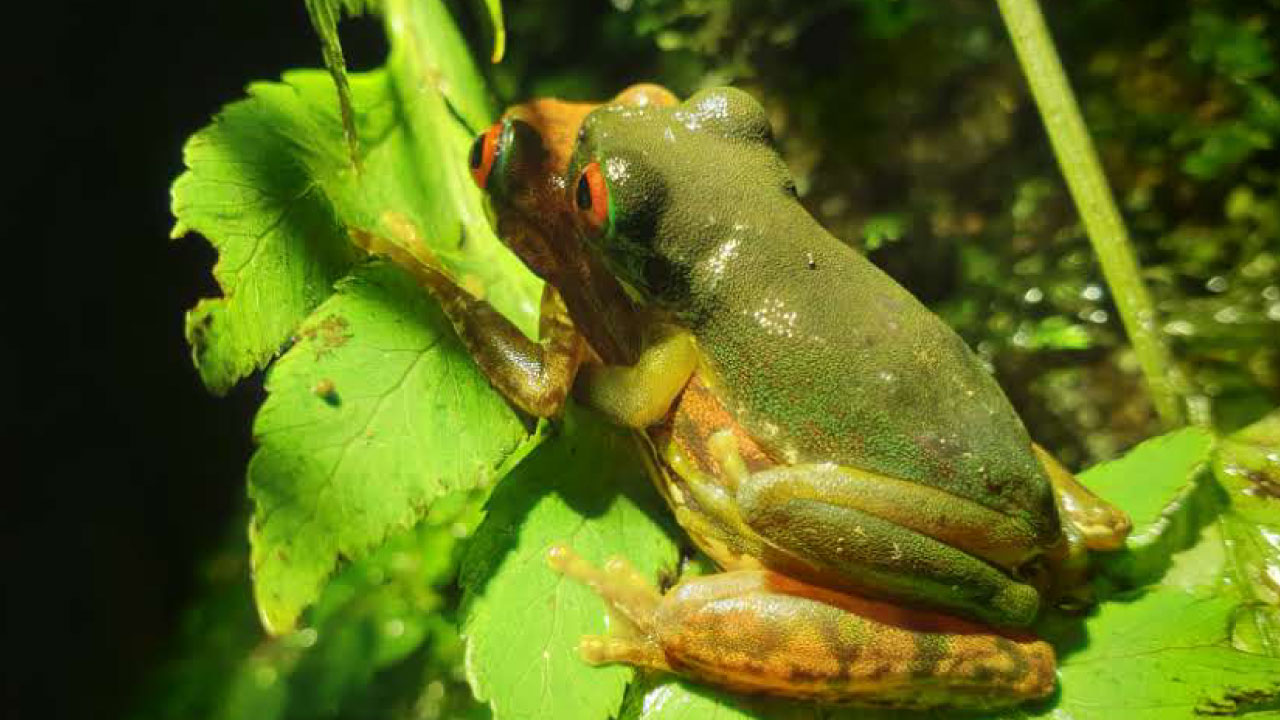
Increased amphibian activity
Dramatic misty landscapes
Richer forest sounds
Amphibians, insects, and certain mammals may become more active in humid conditions. This makes green season especially interesting for travelers focused on biodiversity rather than dry hiking trails.
Night tours during this season can be particularly dynamic because frogs and nocturnal species respond to moisture and rainfall.
👉 Experience the Monteverde Night Tour:
https://refugiomonteverdecr.com/tours/night-tour/
When Is Wildlife Most Active?
Wildlife in Monteverde does not follow a strict calendar schedule. Activity depends on factors such as:
Temperature
Humidity
Food availability
Reproductive cycles
However, certain general patterns can guide expectations.
Birdwatching
Early mornings are best for birdwatching year-round. Many species are most vocal and active shortly after sunrise.
The Resplendent Quetzal, one of Monteverde’s most iconic birds, is often observed during breeding season, typically between February and July.
Guided tours increase your chances of spotting elusive species by identifying calls and movement patterns.
Nocturnal Wildlife
Many mammals and amphibians are active after dark throughout the year. Rain can increase frog activity, while warmer evenings may encourage mammal movement.
A guided Private Night Tour in Monteverde allows for flexible pacing and more focused wildlife tracking, which can be especially valuable during changing seasonal conditions.
👉 Learn about the Private Night Tour:
https://refugiomonteverdecr.com/tours/private-night-tour/
Is There a “Worst” Time to Visit Monteverde?
Not really.
The perception of a “bad season” usually depends on expectations. If you are seeking uninterrupted sunshine and dry trails, heavy rain may feel inconvenient.
But if you are interested in biodiversity, seasonal shifts can enhance the experience rather than diminish it.
Monteverde’s ecosystem does not shut down in rain. It intensifies.
Mist thickens. Forest sounds increase. Amphibians emerge. Moss glows brighter.
Travelers who embrace these changes often describe green season as more atmospheric and authentic.
How Weather Impacts Specific Tours
Understanding how seasons influence different experiences can help you plan strategically.
Night Tours
Rain or humidity can increase amphibian sightings. However, heavy downpours may temporarily reduce visibility.
Tours operate safely year-round, and professional guides adjust pacing according to conditions.
Birdwatching Tours
Clear mornings during dry season can improve canopy visibility. However, bird activity remains consistent year-round, particularly at dawn.
Natural History Tours
Because these tours focus on ecosystem interpretation rather than specific animal sightings, they remain equally rewarding in any season.
👉 Discover the Natural History Tour in Monteverde:
https://refugiomonteverdecr.com/tours/natural-history-tour/
Crowds and Travel Considerations
Dry season tends to attract more visitors. This means:
Higher accommodation demand
More tour bookings
Slightly busier trails
Green season often offers a quieter atmosphere, which some travelers prefer.
Booking wildlife tours in advance is recommended during peak months, especially for small-group or private experiences.
Final Thoughts: Choosing the Best Time for You
The best time to visit Monteverde Costa Rica depends on your priorities.
If you value clearer skies and easier travel logistics, dry season may be ideal.
If you prefer vibrant landscapes, fewer crowds, and dynamic wildlife conditions, green season offers unique rewards.
Monteverde’s cloud forest does not rely on a single perfect month. It thrives in cycles of moisture, mist, and biodiversity.
Regardless of when you visit, guided wildlife tours dramatically enhance the experience by helping you understand what you are seeing and why it matters.
Monteverde receives rainfall throughout the year due to its cloud forest climate, though intensity varies by season.
Birdwatching is excellent year-round, with peak visibility often during early mornings and breeding season months.
Light rain can increase amphibian activity and enhance the experience. Tours operate safely in most weather conditions.
The green season, typically May through November, tends to have fewer visitors compared to peak dry season months.